Destinations · 42 curated guides
The best places to visit in Morocco.
Nine destinations cover ninety percent of what travellers come to Morocco for — from Marrakech to the Sahara dunes, Fes to Chefchaouen and the Atlantic coast. Each guide gives you the real number of days, the right time to visit, and a quote on request.
42 destinations
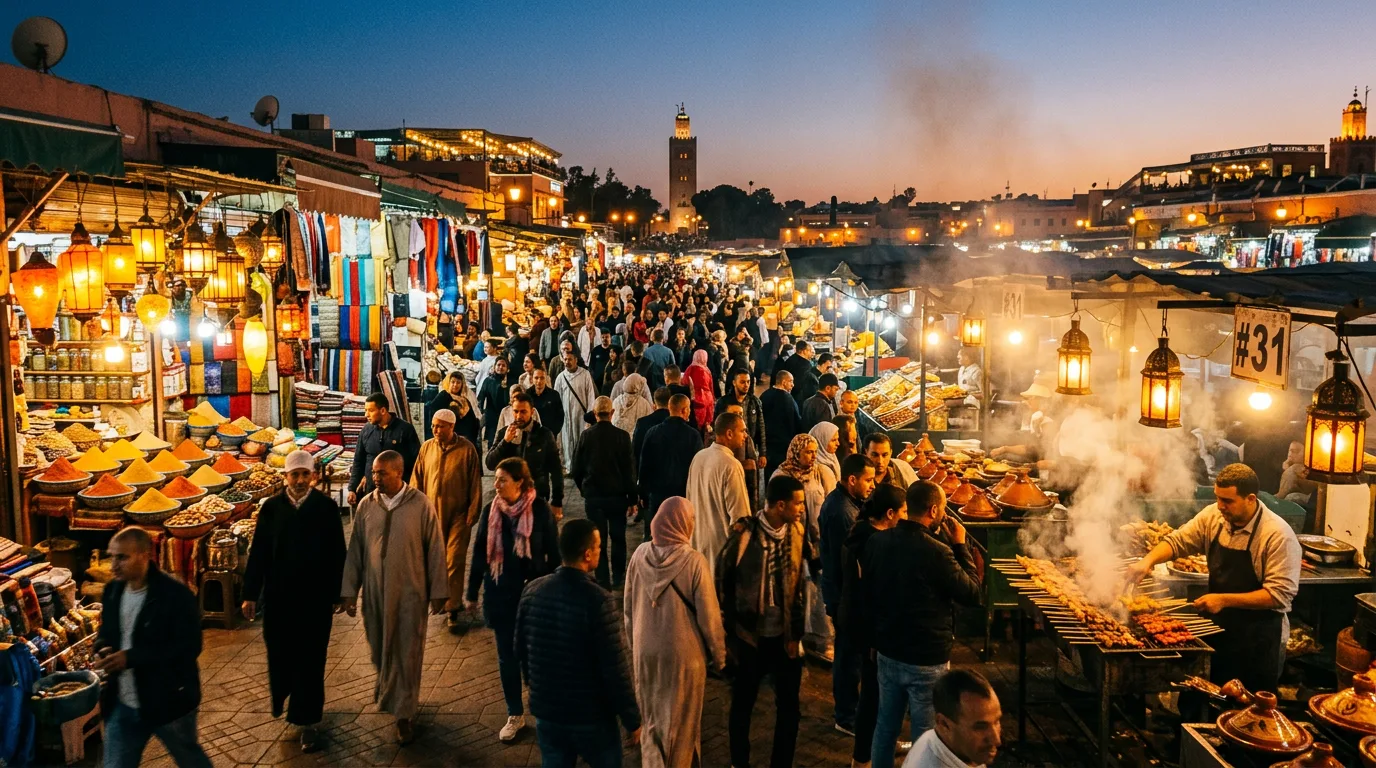
Marrakech
The red city north of the pass — where the road to Ouarzazate and the kasbahs begins.
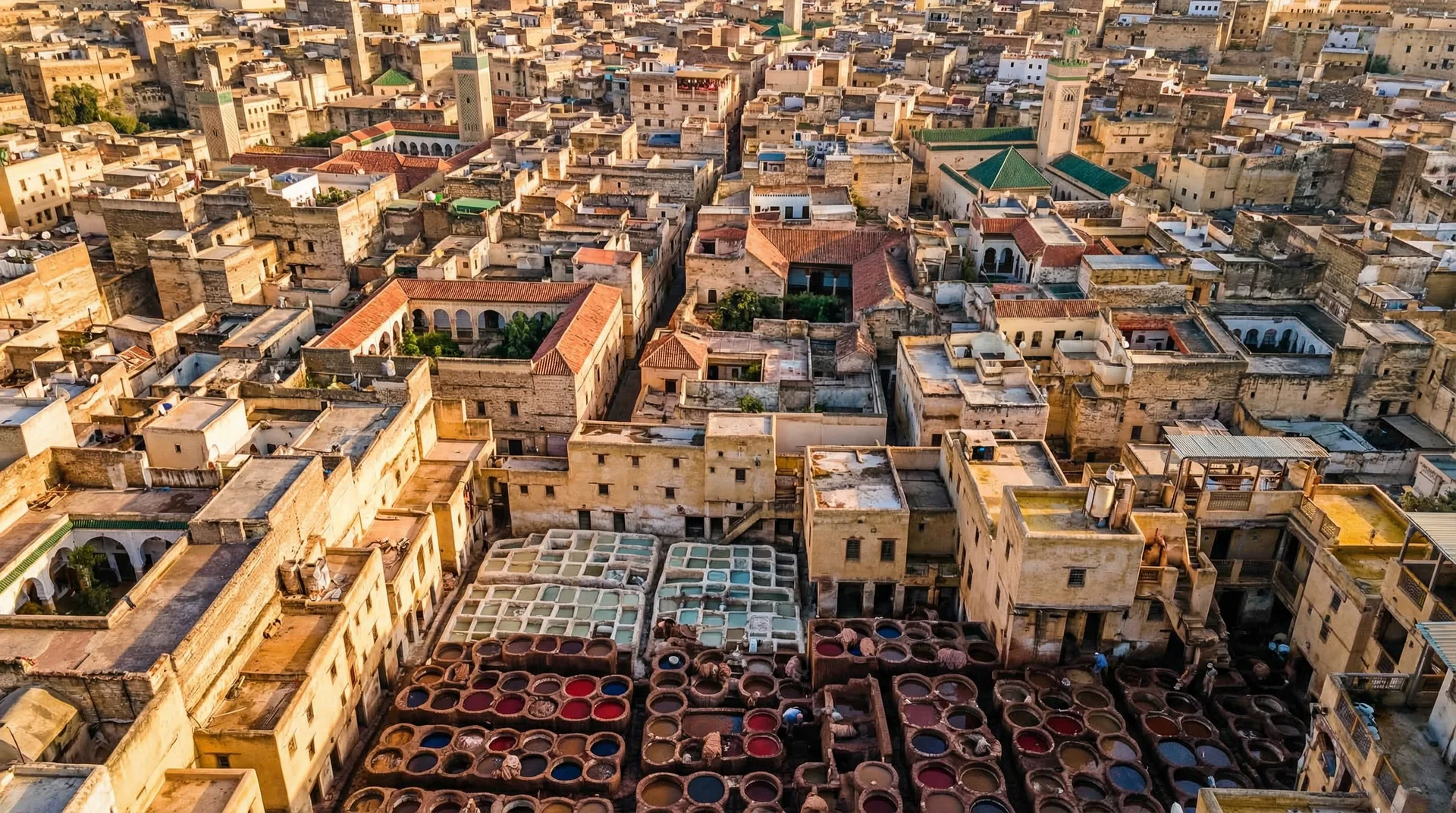
Fes
Morocco's oldest medina — the northern bookend of the great Ouarzazate-to-Fes desert loop.
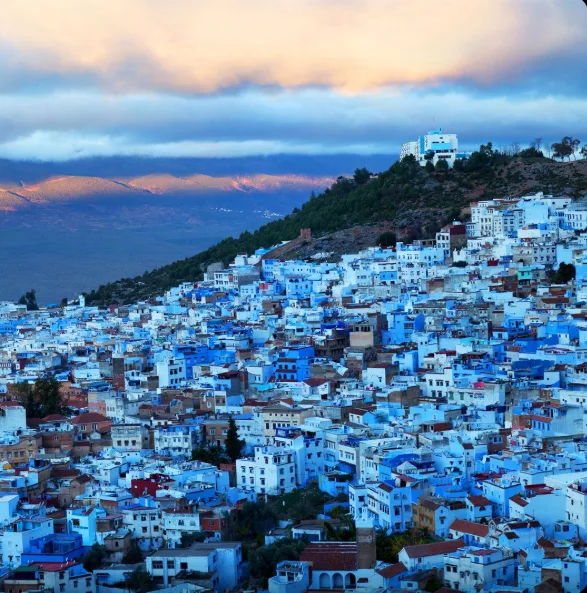
Chefchaouen
Morocco's blue pearl — the cobalt Rif medina at the far northern opposite of the kasbah south.
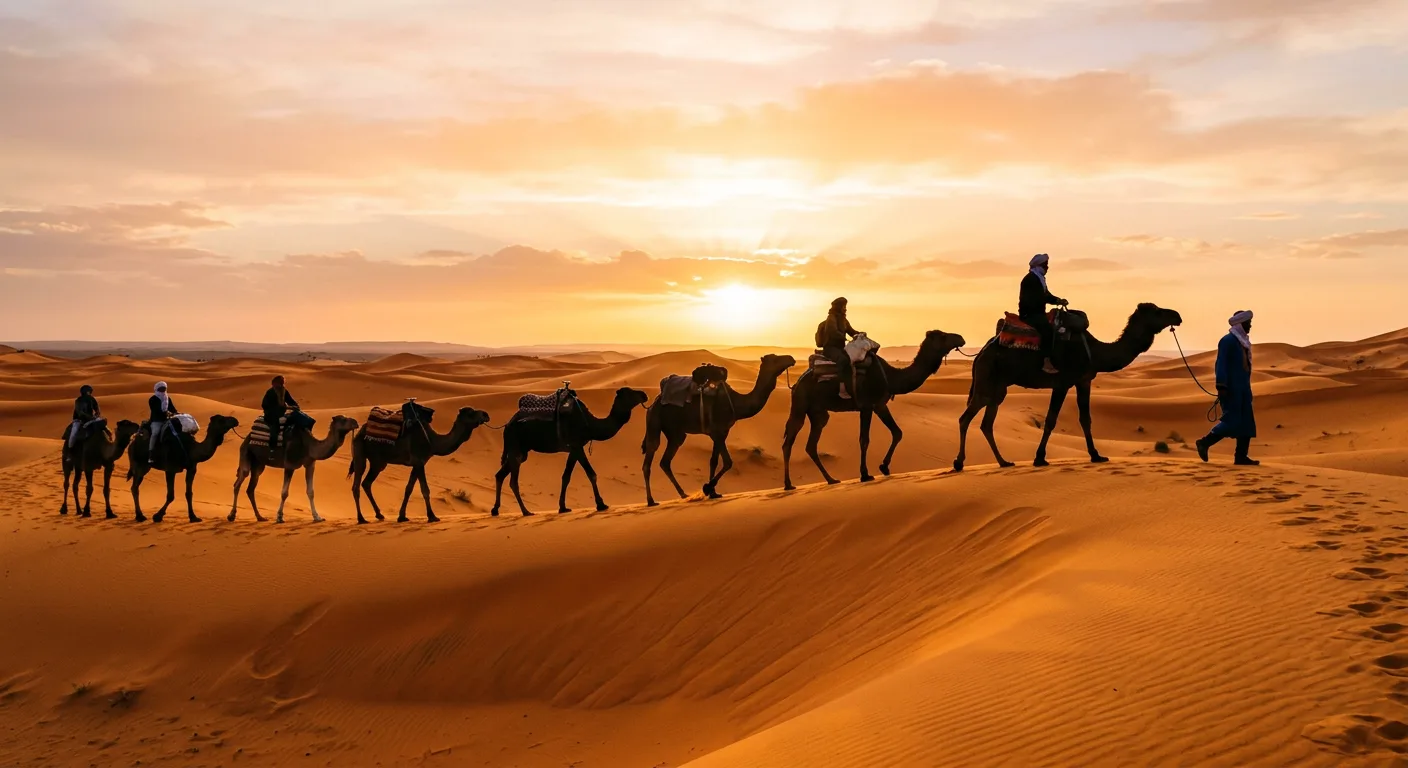
Sahara & Merzouga
Real Sahara: 150m dunes and Berber camps — the prize at the end of the road that runs through Ouarzazate.
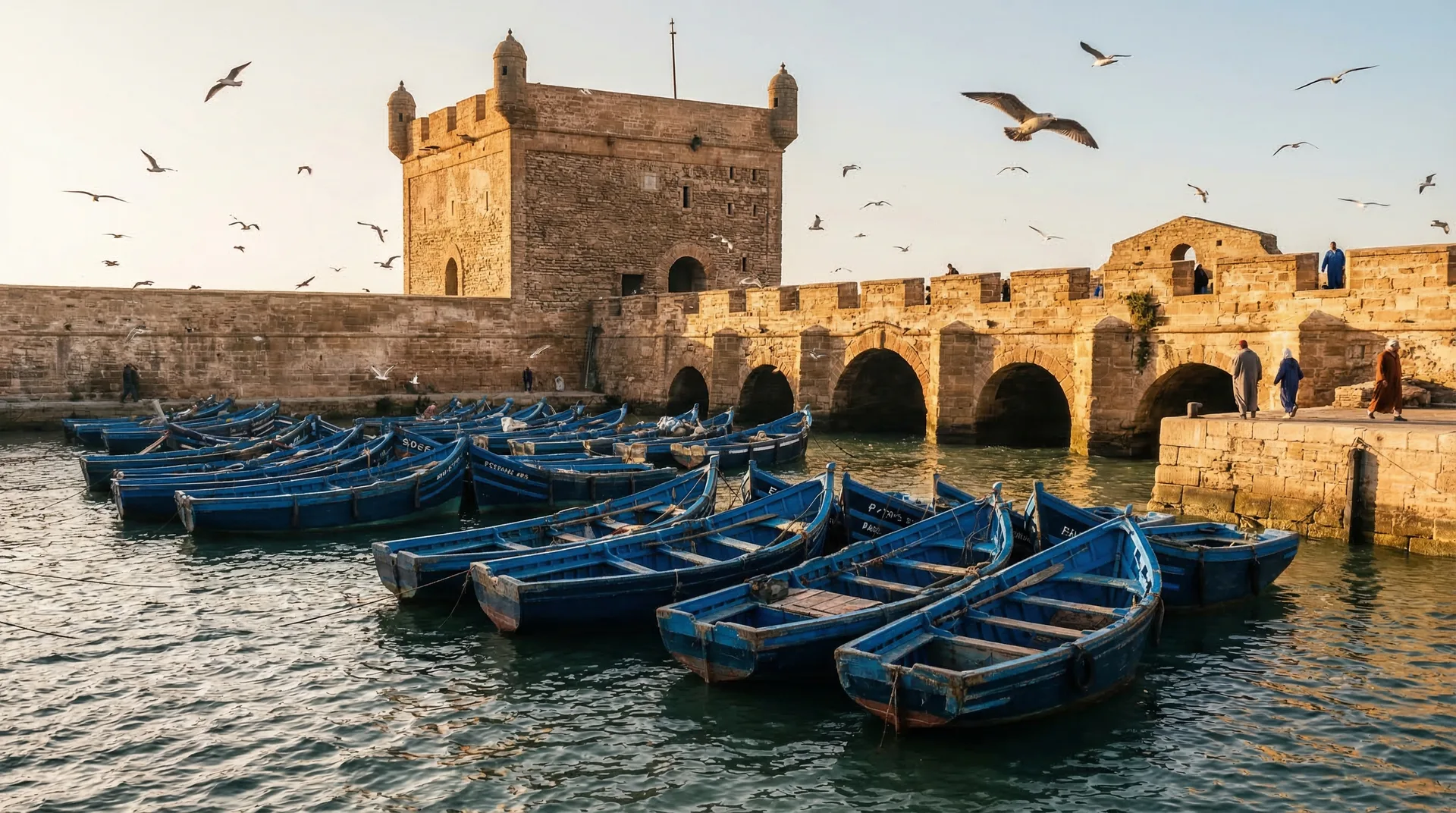
Essaouira
The windy Atlantic fortress — the cool, salt-air antidote to the kasbah heat of the south.
Atlas Mountains
The mountain wall between Marrakech and the kasbahs — Berber villages and North Africa's highest summit.
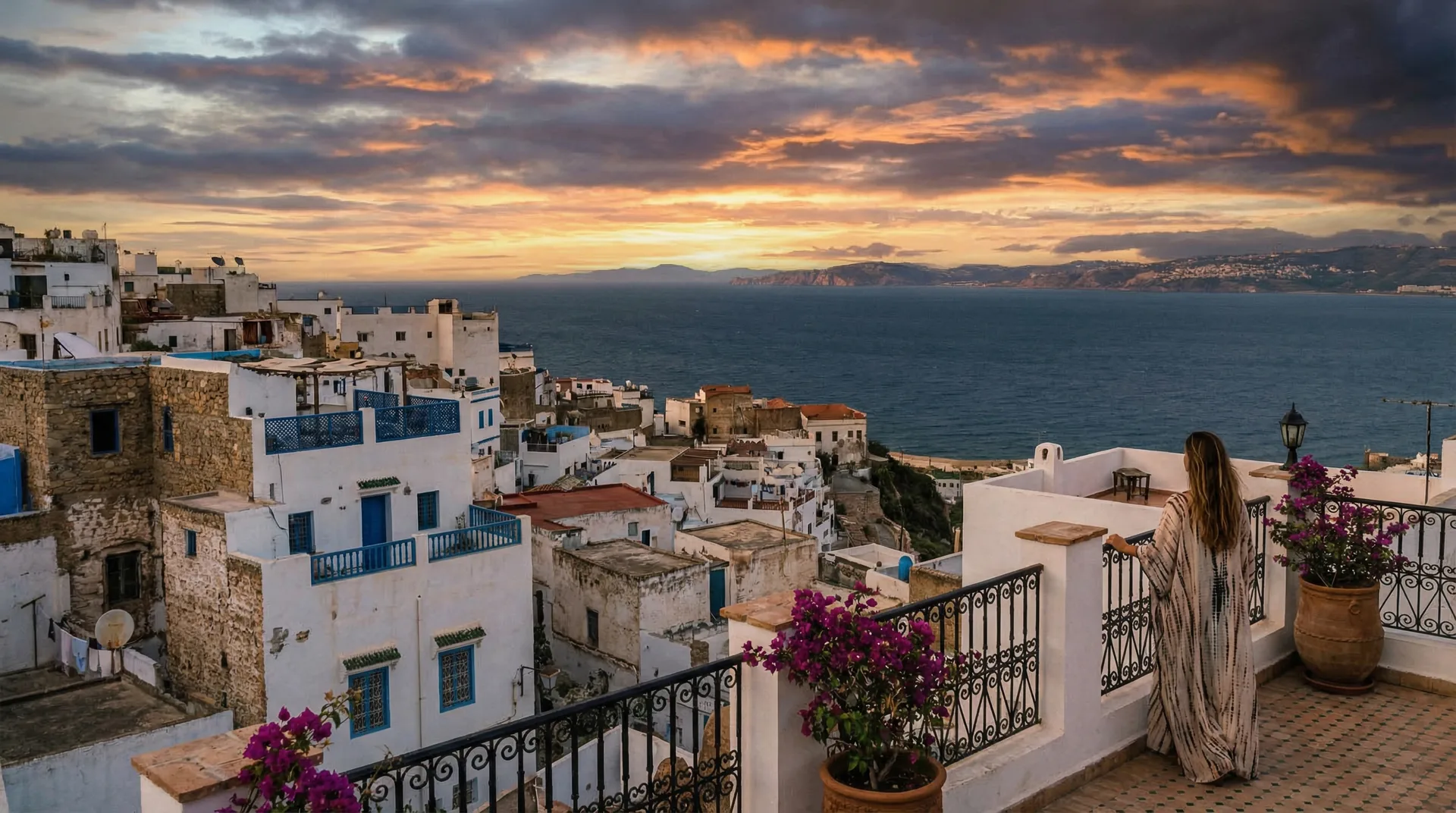
Tangier
Where Africa meets Europe — the far-northern port, a world away from the southern kasbahs.
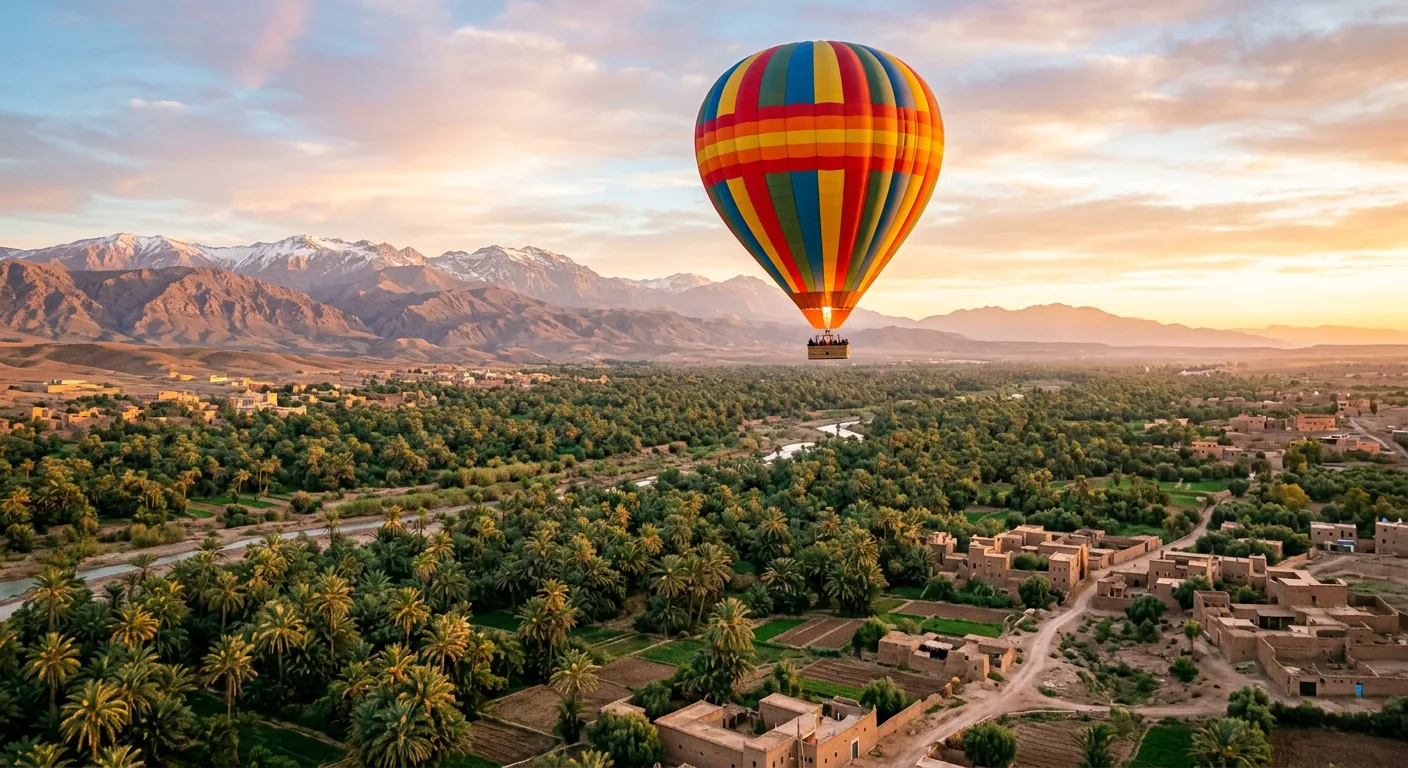
Ouarzazate & Aït Ben Haddou
The door of the desert and the Hollywood of Morocco — kasbahs, film studios and the start of every southern road.
Casablanca
The Atlantic gateway — Morocco's main airport and the modern start of the long road south.
Rabat
Morocco's calm, green capital — a gentle northern counterpoint to the kasbah south.
Meknes
The quiet imperial city of Moulay Ismail — monumental northern stonework, a world from the southern earth kasbahs.
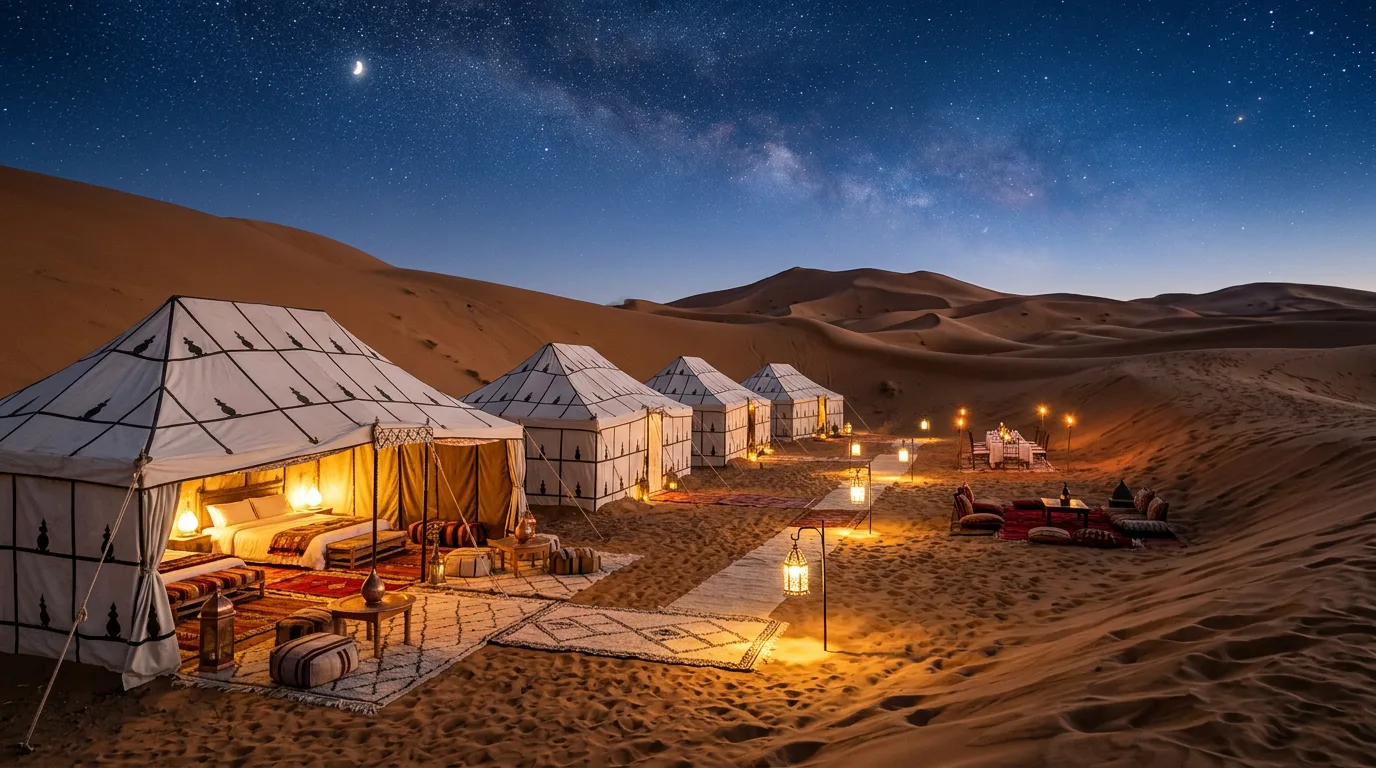
Agadir
Morocco's sunshine beach capital — the Atlantic resort on the far side of the Anti-Atlas from the kasbahs.
Dadès & Todra Gorges
Towering red canyons and switchback roads — the dramatic core of the kasbah route east of Ouarzazate.
Ouzoud Falls
Morocco's highest waterfalls — a green Middle Atlas detour north of the road to the kasbahs.
Agafay Desert
A lunar landscape of rolling hills 40 minutes from Marrakech — luxury camps, camel rides and Atlas sunsets without the long drive.
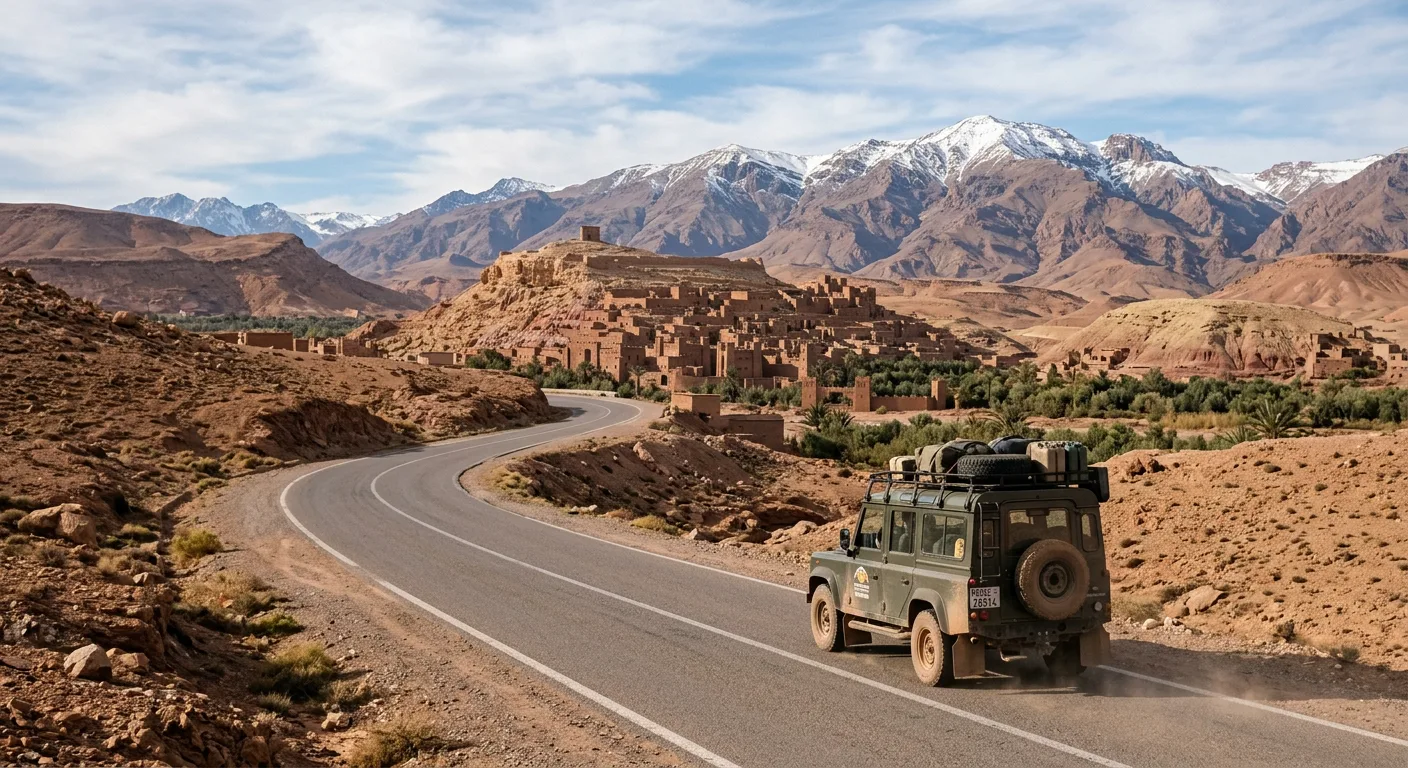
Ourika Valley
Berber villages, river-bank lunches and seven waterfalls — the greenest, easiest Atlas escape from Marrakech.
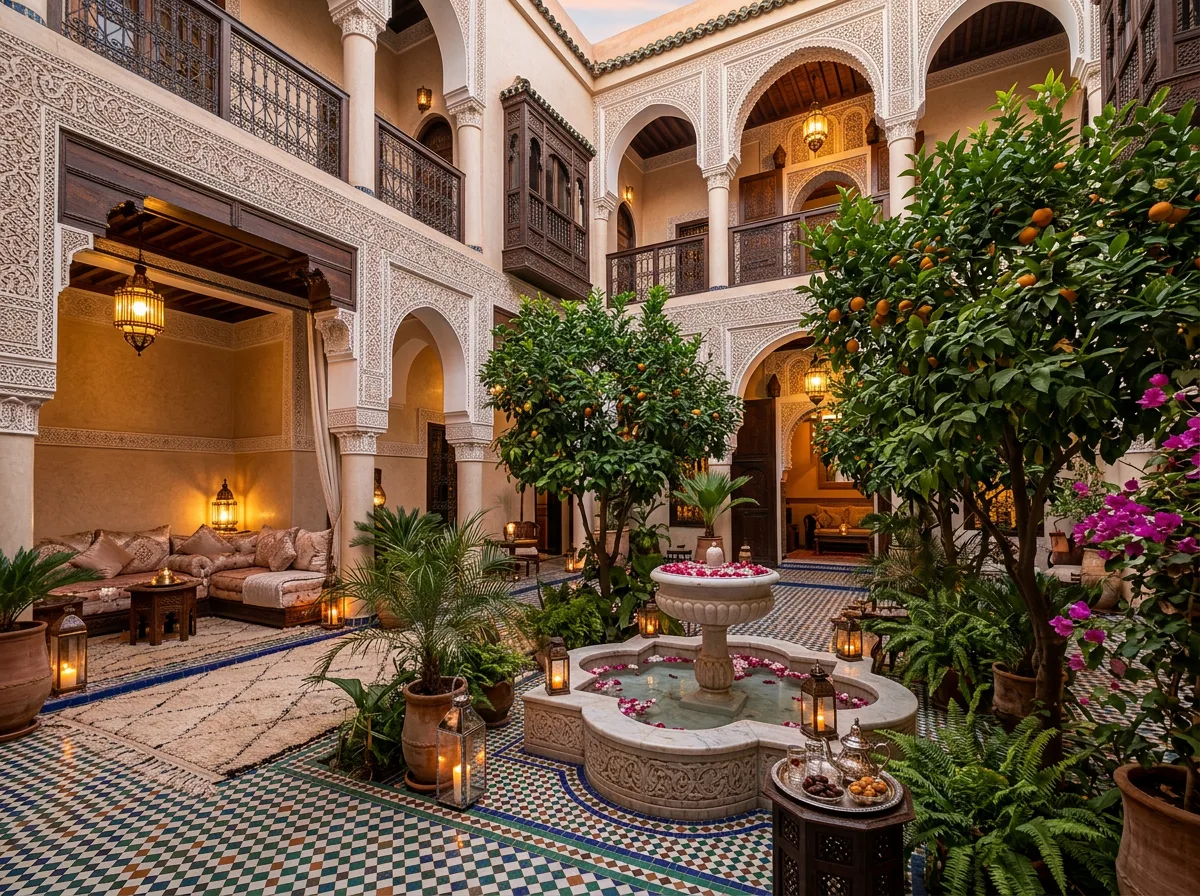
Asilah
A whitewashed Atlantic art town — Portuguese ramparts, painted murals and a calm, walkable medina near Tangier.
Zagora
Down the Drâa from Ouarzazate — the palm-lined oasis town at the threshold of the deep Sahara.
Imlil
The High Atlas trekking village beneath North Africa's highest summit — the range the kasbah road climbs over.
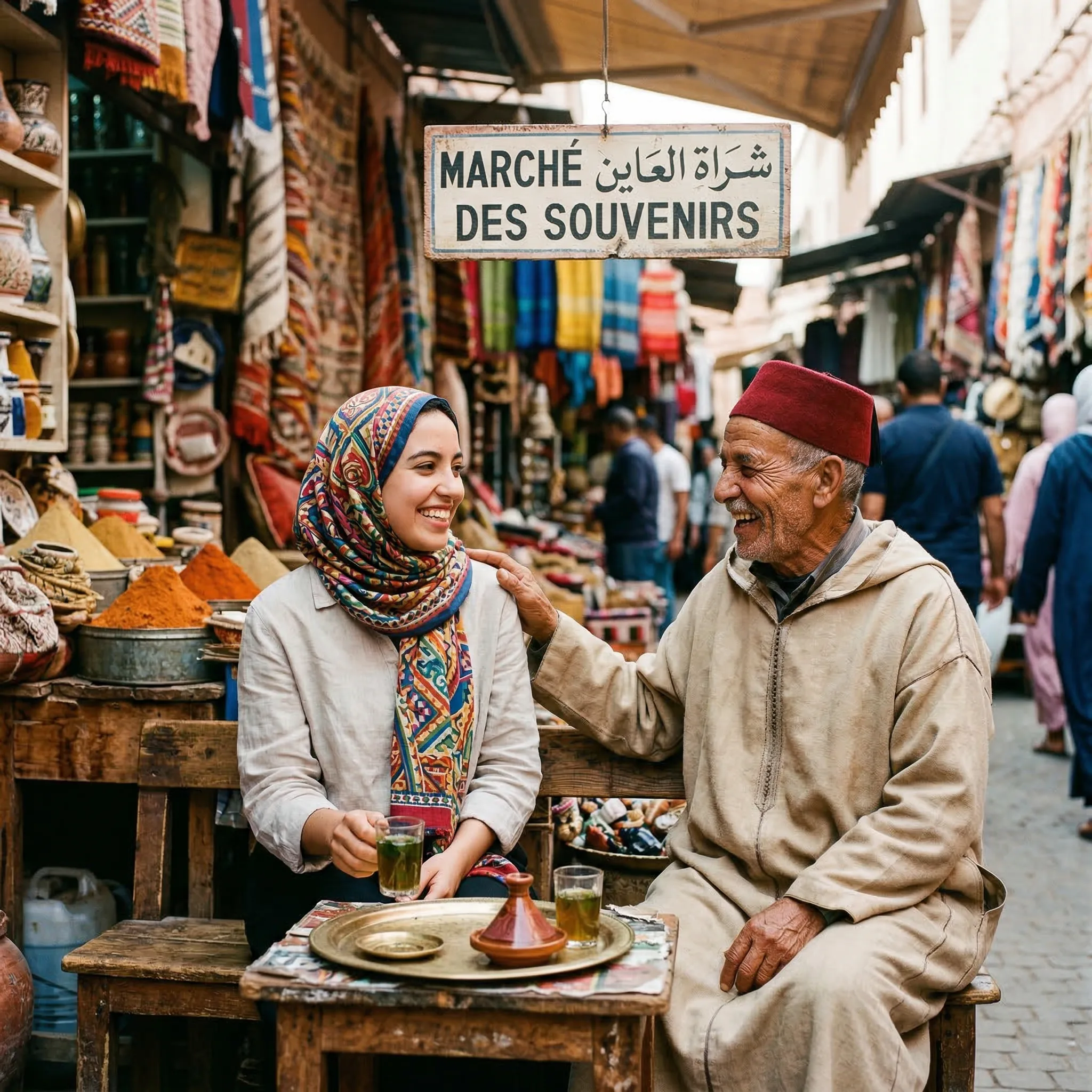
Taroudant
Taroudant is the 'little Marrakech' of the south — a walled Saadian city of ochre ramparts and souks in the Souss plain.
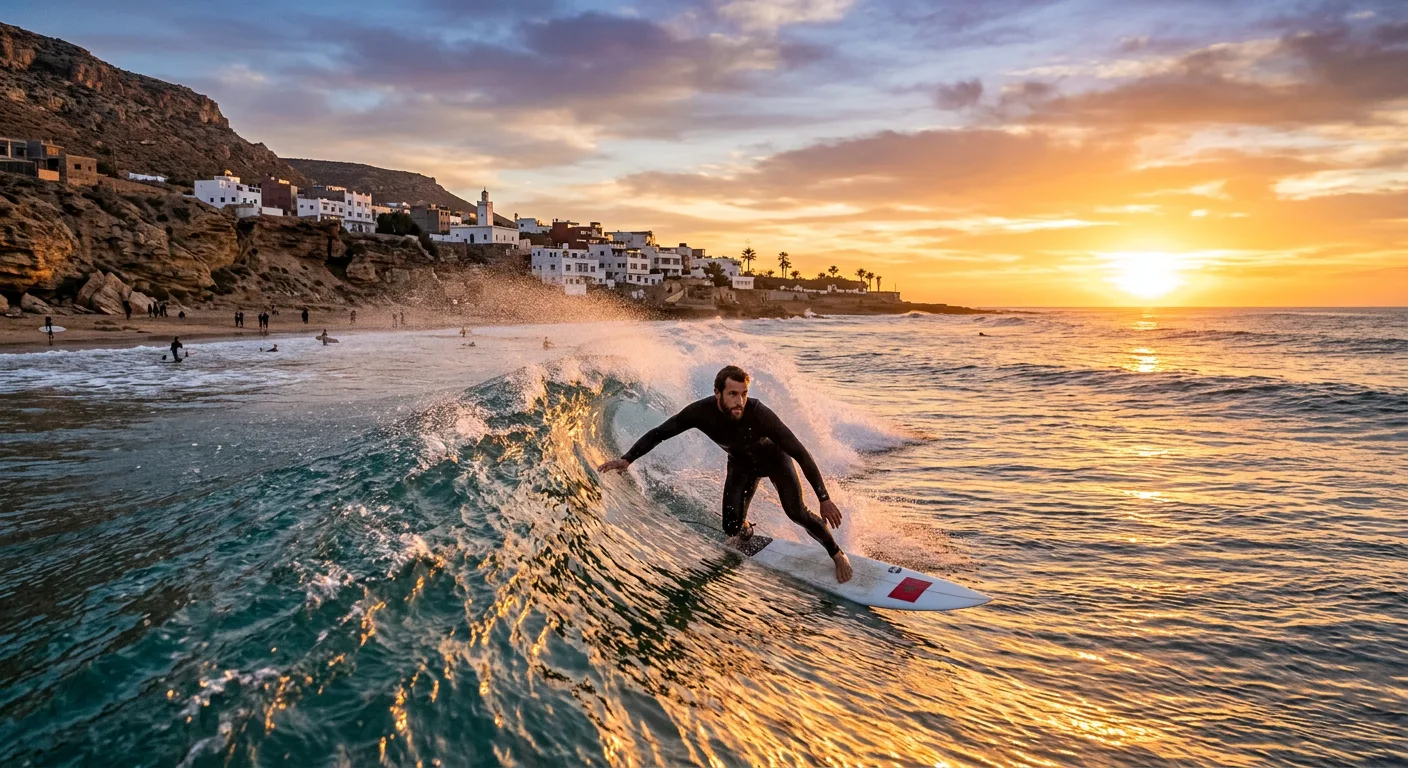
Taghazout
Salt-water antidote to the kasbah road — the bohemian surf bay north of Agadir, the far Atlantic end of a southern Ouarzazate loop.
Ifrane
Alpine waypoint on the northern desert approach — cedar forests, chalets and Barbary macaques before the long road down to the kasbahs.
Dakhla
The far-south lagoon beyond the kasbah road's reach — Africa's kitesurf capital, a flight rather than a drive from Ouarzazate.
Skoura
First palmery on the N10 kasbah road east of Ouarzazate — Amerdil, the banknote kasbah, on the way to the gorges.
Tinghir
Todra-valley overnight two hours east of Ouarzazate — the kasbah-road base for Morocco's most dramatic slot canyon.
Oualidia
Oyster-lagoon detour on the Atlantic side — a sheltered bay of shellfish and flamingos, a world away from the desert road south.
Volubilis & Moulay Idriss
Roman mosaics below a hilltop holy town near Meknes — the deep-history north, opposite pole from the earthen kasbah south.
Midelt
Apple-country crossroads where the northern approach meets the south — the Fes–Merzouga link that feeds back to the Ouarzazate kasbah road.
Sidi Ifni
Spanish Art Deco port on the deep Atlantic south — colonial decay, surf and the Legzira arches, the ocean flank of the kasbah country.
El Jadida
Morocco's UNESCO Portuguese city — a 16th-century Atlantic fortress and cistern on the coast north of the kasbah south.
Azrou
Cedar-forest village south of Ifrane — wild Barbary macaques on the northern road that funnels down toward the kasbahs.
Moulay Bousselham
Morocco's premier birdwatching lagoon — the Merja Zerga wetland on the far-northern coast, a world from the desert south.
Tétouan
Andalusian UNESCO medina in the Rif north — whitewashed Iberian stonework, the antithesis of the rammed-earth kasbah south.
Tafraout
Pink-granite village in the Anti-Atlas, south-west of the kasbah road — painted boulders and almond blossom, granite cousin of Ouarzazate's earth.
Mirleft
Undeveloped cliff-and-cove village on the deep south coast — wild Atlantic surf, the ocean counterpart to the inland kasbah road.
Larache
Quiet Spanish-colonial port on the northern Atlantic — Phoenician and Roman Lixus, the far north opposite the desert road from Ouarzazate.
Béni Mellal
Springs, a turquoise reservoir and the gateway to Ouzoud — the central Atlas hub north of the kasbah country on the inland Marrakech–Fes route.
Rissani
Tafilalt gateway to Merzouga — the Alaouite cradle at the far eastern end of the kasbah road that begins in Ouarzazate.
M'Hamid el Ghizlane
Where the Drâa road from Ouarzazate runs out — the last town before Erg Chigaga and Morocco's deepest desert.
Aït Bougmez Valley
The 'Happy Valley' above the kasbah road — a remote High Atlas sanctuary whose M'Goun traverse descends to the Dadès north of Ouarzazate.
Akchour
The Rif's finest day hike near Chefchaouen — emerald waterfalls and the God's Bridge arch, a green far-north answer to the southern desert gorges.
Saïdia
Mediterranean Blue Flag resort in the far north-east — 14 km of golden sand and the country's finest sea swimming, a continent away from the kasbah south.
Good to know
Frequently asked questions about Morocco's southern destinations.
Which Morocco destinations is Ouarzazate the gateway to?
Ouarzazate sits at the southern edge of the High Atlas and opens onto the south's desert routes. From here travellers reach Aït Ben Haddou and the Ounila Valley, the Skoura palm grove, the Dadès and Todra gorges, the Valley of Roses around Kelaat M'Gouna, and the Drâa Valley running south toward Zagora and the Sahara. It is the natural base for the kasbahs, oases and gorges of the pre-Saharan south.
How do I reach the southern destinations from Marrakech?
The usual overland route from Marrakech crosses the High Atlas over the Tizi n'Tichka pass, a paved mountain road climbing to roughly 2,260 metres. The drive to Ouarzazate typically takes around four hours one way, depending on stops and conditions, and passes the Telouet kasbah and Aït Ben Haddou — so the transfer itself doubles as a scenic route.
Can I continue from Ouarzazate to the Sahara?
Yes. Ouarzazate is a common staging point for the desert. The Drâa Valley leads south to Zagora and its dunes, while longer routes head east through the gorges toward Merzouga and the Erg Chebbi ergs. Many travellers use Ouarzazate as the first night of a multi-day loop out to the Sahara and back.
What is the difference between the Dadès and Todra gorges?
Both are dramatic canyons cut into the Atlas south of Ouarzazate. The Dadès Gorge, above Boumalne, is known for its switchback hairpin road and rounded rock formations. The Todra Gorge, near Tinghir, is narrower and steeper, with sheer walls rising several hundred metres above a clear river. They sit on the same east–west route and are often combined.
When is the best time to visit Morocco's southern destinations?
Spring (roughly March to May) and autumn (September to November) are the most comfortable for the kasbahs, valleys and gorges, with mild days for exploring. Summers are very hot in this pre-Saharan region and winters are cooler with cold nights, so layers are wise outside the peak warm months. The Valley of Roses is at its best around the late-spring harvest.